
How to Choose a Senior Adult's Putter in 2026

Beginner Golf Etiquette
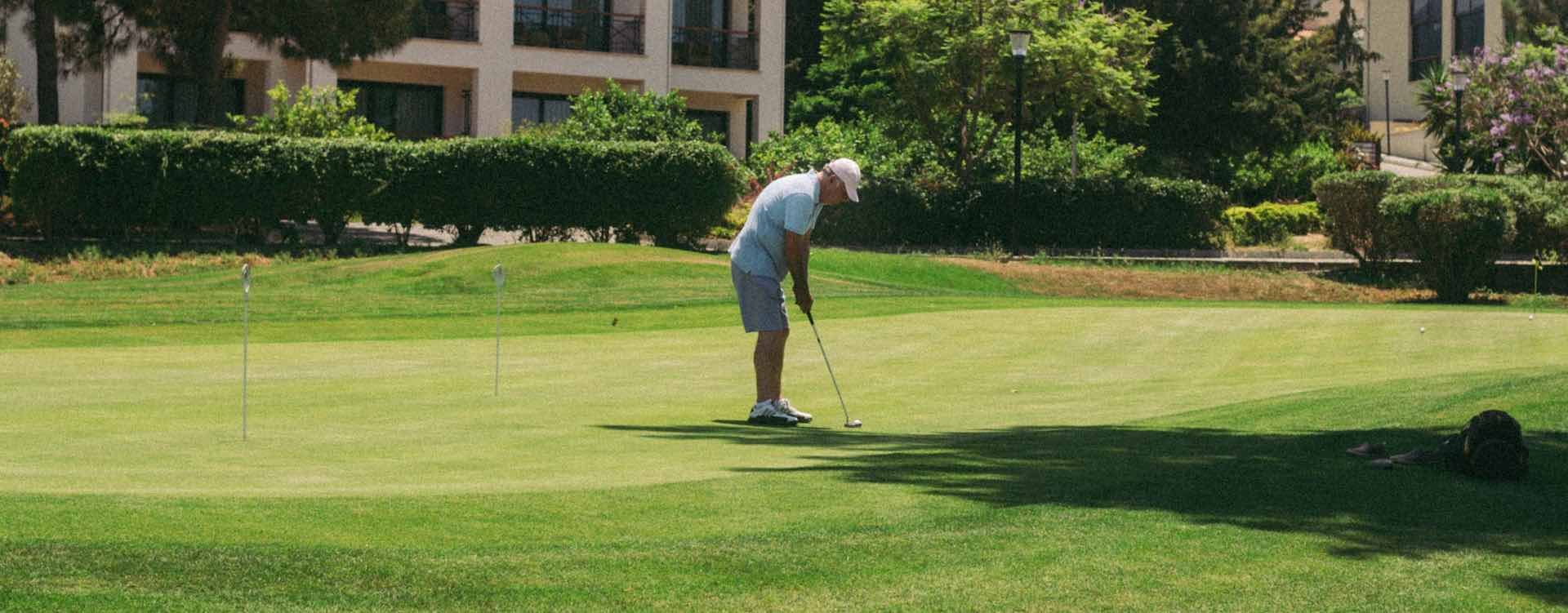
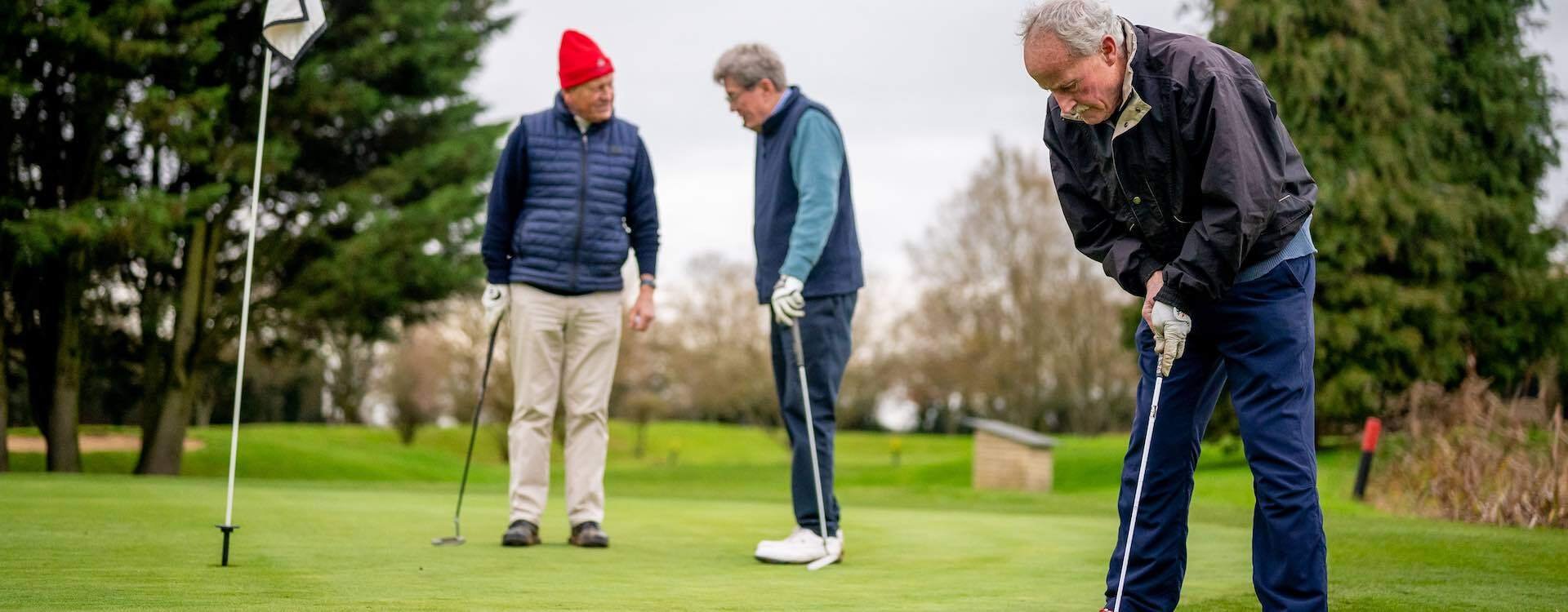
Choose a senior adult's putter by testing comfortable posture, usable alignment, grip fit, and distance control. Age alone cannot determine the length or head weight you need.
Beginner Golf Etiquette connects putters for seniors with practical preparation. This guide explains five checks, compares three specific configurations, and pairs equipment decisions with considerate habits on the green.
Quick Guide: Choose Your Putter in Five Steps
- Start with Posture and Length: Check relaxed setup and sole position before selecting shaft length.
- Compare Head Shape and Alignment: Test different visual cues instead of choosing by appearance alone.
- Check Grip and Balance: Compare handling across several putts, including longer distance attempts.
- Compare Three Specific Configurations: Match exact model specifications rather than mixing similarly named versions.
- Test Distance Control Before Buying: Alternate putters using the same ball and consistent practice routine.
How to Find a Putter That Fits You
1. Start with Posture and Length
Choose length through a comfortable putting setup, not age or height alone. Let your arms hang naturally and check whether you must reach or crowd the ball. Ask a fitter to assess length, lie, and loft together.
A wrist-to-floor measurement alone does not establish your final putter length. Beginner Golf Etiquette's senior equipment guide emphasizes comparing fit for your present movement and ordinary contact.
2. Compare Head Shape and Alignment
Compare blades and mallets by aiming them at the same target. A larger shape may offer more visual references, but you need to judge which markings help you recognize a square face.
Face balance and toe hang describe a putter's balance characteristics. Manufacturer stroke recommendations provide a starting point, not a fitting verdict. As with your first club set, test the equipment rather than copying another golfer's choice.
3. Check Grip and Balance
Test grip thickness and shape with your usual hand placement. An oversized grip is an option to compare, not a treatment for shaky hands. Choose something you can hold comfortably while judging the clubface.
Compare head weights without assuming heavier means easier. Keep your starter gear choices purposeful: changes in grip weight and shaft length can also change the club's balance.
4. Compare Three Specific Configurations
Cleveland HB SOFT 2 Model 11 is a winged mallet with a single-bend hosel, face-balanced design, three alignment lines, and milled face. Its stock specifications list a 365g head, oversize pistol grip, and 34- or 35-inch lengths.
Odyssey DFX 2-Ball Blade CH combines a blade chassis with two-ball alignment, a crank hosel, minimal toe hang, DFX insert, steel shaft, and stock pistol grip. The checked European manufacturer page does not specify head weight or length options, so those values are not assumed.
PING Scottsdale Anser is a heel-toe-weighted blade with an H1 hosel, single alignment line, PEBAX insert, and 345g head. Its US specifications list a 35-inch standard length and SuperStroke Tour 2.0 PT Blue grip for a slight-arc stroke.
| Configuration | Head/balance | Listed length | Stock grip |
|---|---|---|---|
| HB SOFT 2 Model 11 | 365g; face balanced | 34 or 35 inches | Oversize pistol |
| DFX 2-Ball Blade CH | Weight unspecified; minimal toe hang | Confirm with seller | Pistol |
| Scottsdale Anser US | 345g; slight-arc recommendation | 35 inches standard | SuperStroke Tour 2.0 PT Blue |
Compare these named configurations; custom builds and regional listings may differ.
5. Test Distance Control Before Buying
Test short, medium, and longer putts with the same ball and target. Alternate candidates, noting where ordinary misses finish rather than counting only holed putts. A fitting and practice session should help you compare results without promising fewer strokes.
Write down each candidate's length, grip, and head design before testing. Record both comfortable contact and awkward attempts. Bring your current putter for comparison if you have one, and take breaks when concentration fades.
Learn unfamiliar golf terms before your round. When sharing a practice green, leave other golfers space and avoid rolling balls across their targets.
Equipment Plus Etiquette: Prepare for the Green
Keep a marker and repair tool accessible among your round essentials.
Beginner Golf Etiquette's putting-green guidance explains marking carefully, repairing ball marks, and avoiding other players' putting lines.
Stay quiet and still during another player's stroke. Plan your putt without distracting anyone, then follow ready-golf habits to reduce waiting between shots. Protect the surface instead of leaning heavily on your putter.
Final Checklist Before Buying
Confirm the model, handedness, length, grip, and return conditions. Choose through comfortable handling and repeatable testing, not a senior label. Beginner Golf Etiquette helps you combine informed equipment choices with respectful course habits.