

Learn what starter golf gear adults actually need, what to skip, and how to spend wisely so you’re course-ready without overpaying.
Picking up golf as an adult is exciting, but the gear question trips up almost everyone. You don't need a trunk full of expensive equipment to play your first round. You just need the right basics, in the right order, so your money goes where it actually helps your game.
This guide covers every piece of starter golf gear an adult beginner should consider, from clubs and balls to shoes and accessories. You'll learn what to buy first, what to skip for now, and how to build a bag that grows with you without blowing your budget. Beginner Golf Etiquette created this resource to help new players feel confident before they ever step onto the course.
Key Takeaways: Starter Golf Gear for Adults
- A complete boxed golf club set is the fastest, most affordable way for adult beginners to start playing.
- Forgiving club designs with larger clubheads and lighter shafts help new golfers make consistent contact.
- Golf balls, a glove, tees, and comfortable shoes are the only non-club gear you truly need on day one.
- Beginner Golf Etiquette recommends a modest starter budget that covers the essentials without paying for extras too early.
- Buying used clubs from a reputable source is a smart strategy that stretches your starter budget significantly.
What Starter Golf Gear for Adults Actually Includes
Starter golf gear is the minimum equipment you need to play a full round on any public course. For an adult beginner, that list is shorter than most people expect. The goal is to get on the course quickly with gear that forgives mistakes and helps you learn.
Many new players assume they need to match the bag of an experienced golfer. That's not the case. You'll play just fine with a streamlined setup, and you'll avoid spending money on items that won't improve your game at this stage.
What You Need to Play Your First Round
Here's the short list: a set of golf clubs for beginners, a handful of golf balls, tees, a glove, and golf shoes. Most courses also require a bag to carry your clubs in. That's genuinely it. Every other accessory you see at the pro shop can wait.
Your clubs do the heavy lifting, so they deserve most of your budget. Golf balls, tees, and a glove cost very little and round out your essentials. Shoes keep you stable and comfortable during a four-hour round, which matters more than most beginners realize.
What Can Wait Until Later
Rangefinders, launch monitors, alignment sticks, premium tour-level balls, and specialized wedges are all useful tools. But none of them will help you much until your swing becomes more consistent. Think of them as upgrades you earn, not purchases you need.
Custom club fitting also falls into this category. A professional fitting is valuable, but it produces much better results after you've developed a repeatable swing over several months of practice. For now, standard-length clubs designed for beginners will serve you well.
The same goes for training aids like weighted swing trainers and alignment rods. They have a place in your practice routine down the road, but your first priority is simply getting on the course and learning the feel of each club in your bag.
How to Choose Beginner-Friendly Golf Clubs
Clubs are the centerpiece of your starter gear, and picking the right ones makes a real difference in how quickly you improve. Forget brand loyalty for now. Focus on forgiveness. That's how easily a club helps you hit the ball even when your swing isn't perfect.
Should You Buy a Full Set or Build One Piece by Piece?
A boxed beginner golf club set is usually the smartest first purchase. These sets include a driver, fairway wood, a hybrid or two, several irons, a wedge, and a putter, all matched to work together. They're engineered for new players and priced significantly lower than buying each club individually.
Building a set piece by piece gives you more control over each club, but it costs more time and money. It also requires knowledge that most beginners haven't built yet. Save the mix-and-match approach for later, once you know which clubs you hit well and where you have gaps.
If a friend or family member offers you a spare set, that's worth considering too. As long as the clubs are in decent condition and roughly match your height, a hand-me-down set is a perfectly fine starting point.
What Makes Clubs Easier for Beginners to Hit
Three features matter most in beginner clubs. First, oversized clubheads create a larger "sweet spot," which means you'll get better results even on off-center strikes. Second, lightweight graphite shafts are easier to swing and generate more clubhead speed without extra effort.
Third, a lower center of gravity helps the ball launch higher and fly straighter. This is why hybrids and cavity-back irons are popular with new golfers. They're designed to get the ball airborne quickly, which is exactly what a beginner needs to build confidence off the tee and on the fairway. Find your perfect hybrid below.
The Essential Non-Club Gear Worth Buying First
Once you have clubs, a few additional items round out your starter kit. None of these needs to be expensive, but all of them affect your comfort and performance during a round.
Golf Balls for Beginners
You will lose golf balls, especially during your first dozen rounds. Buy affordable, two-piece distance balls that offer a soft feel and straighter flight. Save the premium tour balls for when you're no longer dropping two or three into the water per round. You can find a full breakdown in our budget golf balls guide.
Gloves, Tees, and Ball Markers
A golf glove gives you a secure grip and protects against blisters. Wear it on your lead hand (left hand for right-handed golfers). A pack of wooden tees and a couple of ball markers round out the absolute essentials. These are inexpensive additions that make your first rounds more comfortable.
Pick up a cabretta leather or synthetic glove, whichever feels comfortable. Leather gloves offer a softer feel and tend to mold to your hand over time, while synthetic options are more durable in wet conditions.
Golf Shoes That Keep You Comfortable
A round of golf involves four to five miles of walking on grass that's often damp. Spikeless, waterproof golf shoes provide grip and comfort without the bulk of traditional spiked models. Your feet will thank you by the back nine.
Which Accessories Help and Which Ones Can Wait
A lightweight stand bag is worth buying early because it makes carrying your clubs comfortable, whether you're walking the course or heading to the range. Look for one with enough pockets and dual shoulder straps.
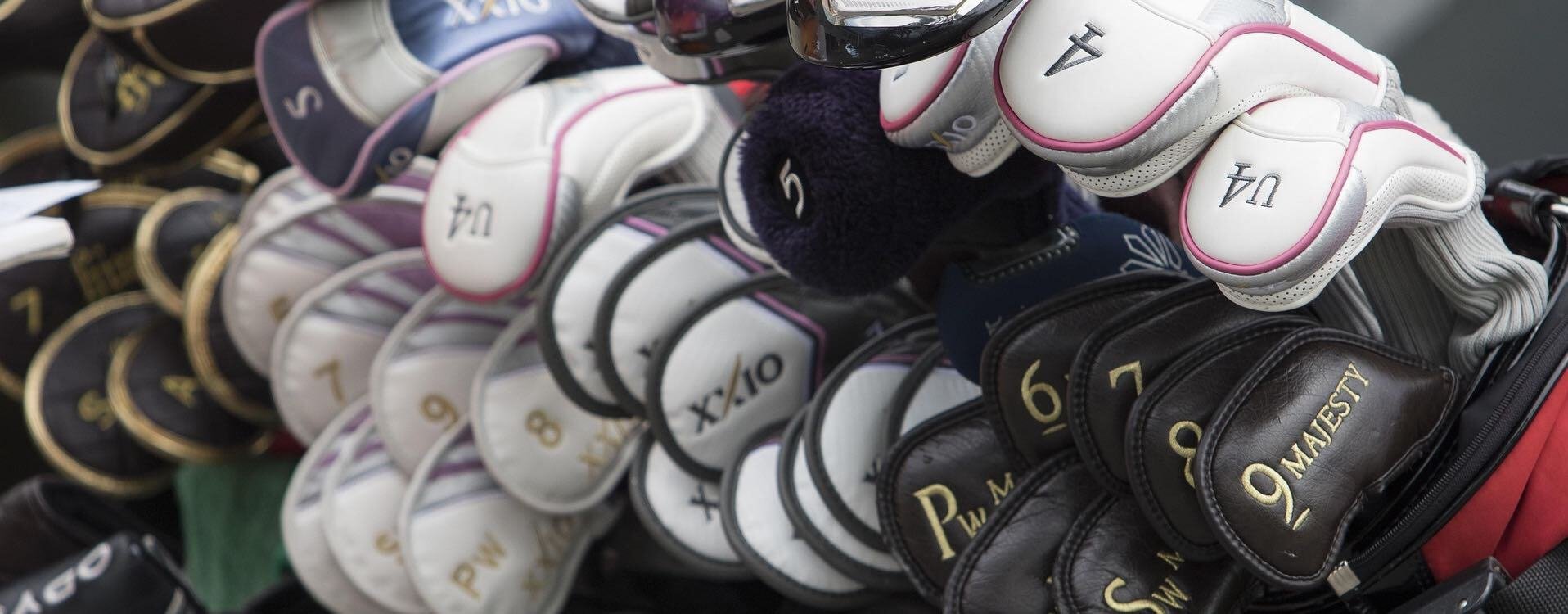
Headcovers for your driver and woods protect your investment during transport. Beyond that, most accessories are optional. Ball retrievers, towels clipped to your bag, and divot repair tools are nice to have, but none of them are urgent purchases.
How Much Adult Beginners Should Spend on Starter Golf Gear
Budget is one of the biggest concerns for adults picking up the game. According to the National Golf Foundation's 2025 participation report, millions of new golfers enter the sport each year, and affordable starter gear plays a big role in keeping them around.
The good news is that you can be course-ready without spending a fortune. A realistic starter budget usually lands in the low hundreds, not the four-figure range many beginners fear.
At the lower end, you're buying a quality boxed set and basic accessories. If you spend more, you're usually paying for a nicer bag, upgraded materials, or a few comfort-focused extras. Either way, you can build a solid starter setup without overcommitting too early.
When Used Gear Makes Sense
Pre-owned clubs are one of the smartest moves a beginner can make. Golf clubs don't expire. A set of forgiving irons or a well-maintained driver from a previous model year will perform just as well as new gear at a fraction of the price.
Technology in golf clubs evolves slowly enough that a set released two or three years ago still holds up against the newest models. For a beginner, the performance gap between a current and a recent set is minimal compared to the price difference.
Look for used equipment at certified pre-owned sections of major golf retailers, local pro shops, or online resale platforms. Check that grips aren't cracked, shafts are straight, and clubfaces show normal wear rather than deep gouges. A quick inspection is all it takes to find reliable used clubs.
Common Starter Gear Mistakes Adult Beginners Make
Starting a new sport is exciting, and that excitement sometimes leads to purchases you'll regret. Here are the most common pitfalls and how to sidestep them.
Buying Clubs Designed for Low-Handicap Players
Blade-style irons and low-loft drivers look sleek, but they demand precise contact that beginners haven't developed yet. Choosing "player's clubs" too early leads to frustration and slower improvement. Stick with game-improvement designs until your handicap drops into a comfortable range.
If you see a beautiful set of forged irons on sale, resist the temptation. Those clubs are designed for golfers who already hit the center of the clubface consistently. You'll enjoy the game much more with a forgiving cavity-back set.
Overspending on Premium Golf Balls
Tour-level balls offer spin control and feel that benefit skilled golfers. For a beginner, they're expensive golf balls you'll lose in the trees. Save your money by playing affordable distance balls, and reinvest the savings into range time or a lesson.
Skipping the Basics in Favor of Gadgets
A launch monitor or GPS watch won't fix your swing on its own. Lessons, practice balls, and comfortable shoes will do far more for your game right now. Prioritize the fundamentals that directly affect how you play and how often you get out to practice.
Ignoring Proper Club Length and Grip Size
Clubs that are too long or too short force you to compensate with your posture and swing mechanics. Most boxed beginner sets come in standard and tall options. Check that your set matches your height and hand size. It's a simple step that makes a measurable difference.
A quick way to check: hold the club in your natural stance and see where the sole sits on the ground. If the toe or heel lifts noticeably, the club might not match your build. Most major retailers can help you verify this in store.
How to Build Your Bag Over Time
Your starter set doesn't need to be your forever set. As you improve, you'll naturally notice which clubs you hit well and where you want something different. Building your bag gradually is one of the most budget-friendly strategies in golf.
Upgrade Your Weakest Club First
After a few months of play, you'll notice one club that consistently lets you down, often the driver or the putter. Replacing your weakest link with a better-performing option gives you the biggest improvement for the least money.
Pay attention to the shots that cost you the most strokes during a round. If you're struggling off the tee, a more forgiving driver could help. If you're three-putting most greens, a putter with better alignment features is a worthwhile investment. Find your driver below.
Add Wedges as Your Short Game Develops
Most beginner sets include a pitching wedge but skip specialty wedges like a gap wedge or lob wedge. Once you're comfortable chipping and pitching, adding one or two wedges opens up more shot options around the green.
A gap wedge (around 50 to 52 degrees) fills the distance between your pitching wedge and sand wedge nicely. Many golfers find this is the first club they add to their starter set. Find your wedge below.
Consider a Fitting After Your First Season
By the time you've played regularly for six to twelve months, a professional club fitting becomes genuinely worthwhile. Your swing is more consistent, and a fitter can match shaft flex, lie angle, and grip size to your specific tendencies. This is when custom equipment starts paying off.
Quick-Reference Starter Gear Checklist for Adult Beginners
| Item | Priority | Budget Guidance |
|---|---|---|
| Beginner golf club set | Buy first | Main budget item |
| Golf balls (one dozen, distance) | Buy first | Low cost |
| Golf glove | Buy first | Low cost |
| Wooden tees and ball markers | Buy first | Very low cost |
| Spikeless waterproof golf shoes | Buy first | Moderate cost |
| Lightweight stand bag | Buy soon | Moderate cost |
| Headcovers | Nice to have | Low cost |
| Rangefinder | Wait | Delay this purchase |
| Custom club fitting | Wait | Delay this purchase |
In Conclusion: Start Simple, Upgrade With Purpose
You don't need top-shelf gear to enjoy your first season of golf. A forgiving beginner golf club set, a dozen affordable balls, a glove, tees, and comfortable shoes get you onto the course with everything you need. Spend thoughtfully, skip the gadgets for now, and put the money you save toward practice time and lessons.
As your skills grow, your bag will grow with them. Every upgrade reflects real progress in your game, and that's a great feeling. Beginner Golf Etiquette has more guides and resources to help you feel confident at every stage of your golf journey.
FAQs about Starter Golf Gear for Adults
What is the most important piece of golf gear for a beginner?
A forgiving set of golf clubs is the single most important purchase. Look for a beginner golf club set with oversized clubheads and graphite shafts. Beginner Golf Etiquette offers a dedicated buying guide to help you compare sets that match your budget and playing goals.
How many clubs does a beginner actually need?
Most beginner sets include 9 to 12 clubs, which is more than enough. You're allowed to carry up to 14 clubs, but filling every slot right away isn't necessary. Start with the basics and add clubs as your game develops and you identify specific distance gaps.
Should a beginner buy new or used golf clubs?
Used clubs are a great option for beginners. A set from a recent model year performs nearly identically to brand-new equipment at a lower price. Check grips, shafts, and clubfaces for excessive wear before buying, and shop from reputable retailers or certified resale programs.
Do adult beginners need golf shoes on day one?
You can play your first round in athletic shoes, but golf-specific shoes with waterproof material and grip make a noticeable difference. Spikeless models are comfortable enough to wear all day and provide stability on wet grass. Beginner Golf Etiquette recommends investing in shoes early for comfort during longer rounds.
How much should an adult beginner budget for starter golf gear?
A realistic total budget usually stays in the low hundreds, covering a club set, balls, shoes, a bag, and small accessories. Buying used clubs or choosing a basic boxed set keeps your entry cost lower. Beginner Golf Etiquette suggests focusing your spending on clubs and shoes first, then adding accessories gradually.
Is custom fitting worth it for a brand-new golfer?
Not right away. Custom fitting produces the strongest results after you've developed a repeatable swing, usually six to twelve months into regular play. Standard beginner sets are sized to work for most adults, so you can start confidently and schedule a fitting once your swing settles. The Beginner's Guide to Playing Golf book also walks you through what to look for when that time comes.