
How to Choose Women's Gloves

Beginner Golf Etiquette
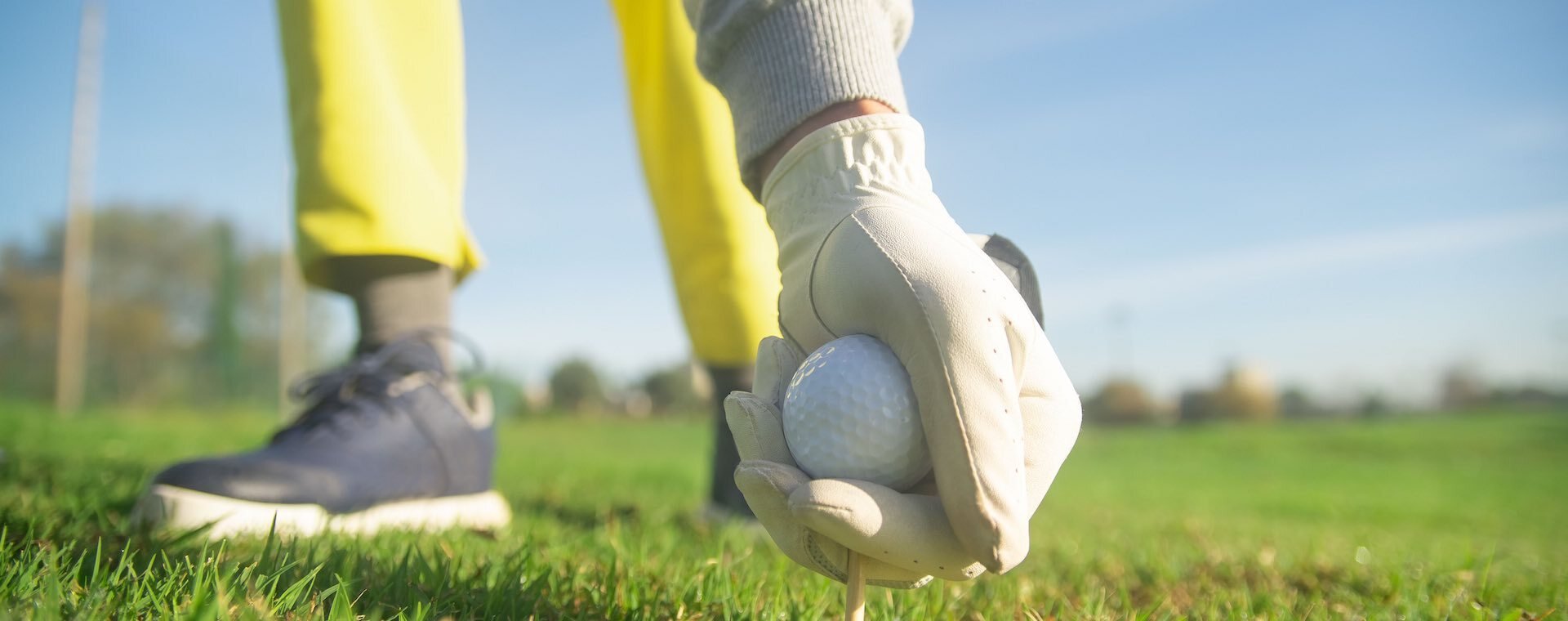
A golf glove is a small purchase, but it solves two beginner problems right away: grip security and hand comfort. For most right handed golfers, the glove goes on the left hand. For most left handed golfers, it goes on the right hand. That lead hand is the one most responsible for keeping the club stable through the swing, so the glove helps create a more secure connection between your hand and the grip.
Many beginners underestimate how much their hands will sweat or how quickly friction can create discomfort during a practice session. A glove helps with both. It can reduce slipping when the weather is warm or humid, and it can prevent the rubbing that leads to blisters. That matters because small physical annoyances often become big distractions when you are trying to focus on new movement patterns.
Women’s golf gloves are sized differently from many men’s gloves, so fit matters. A glove should feel snug, almost like a second skin, without bunching in the palm or pulling tightly across the fingers. If it is loose, it will shift during the swing and lose much of its purpose. If it is too tight, it will wear out faster and feel restrictive.
Two common material categories dominate beginner choices:
Cabretta leather
This material offers a soft, premium feel and tends to mold nicely to the hand. It often provides excellent touch, though it may wear faster in heat and humidity.
Synthetic or synthetic blend
These gloves tend to be more durable and often handle moisture better. They can be a very practical first choice for new golfers.
Here is what to look for when choosing a glove:
Correct size
Check the brand’s size guide. A glove that fits the fingers and palm properly improves grip more than a fancier material ever will.
Breathability
Ventilation panels or lighter materials help if you play in hot climates.
Closure quality
A secure closure helps the glove stay consistent across practice sessions.
Durability
If you practice often, durability can matter as much as feel.
Women’s Golf Glove Buying Guide
Choose your glove by fit first, then material and playing conditions. Women’s sizing varies by brand, so use the manufacturer’s size chart rather than assuming your usual size will fit.
|
Buying factor |
Cabretta leather glove |
Synthetic glove |
Hybrid glove |
Rain gloves |
Winter golf gloves |
|
Best use |
Everyday play in mostly dry conditions |
Regular practice and warm, humid rounds |
Everyday play with a balance of feel and durability |
Rain and consistently wet conditions |
Cold-weather rounds |
|
Material |
Soft, thin leather |
Synthetic fabric or synthetic leather |
Leather grip areas with synthetic stretch panels |
Specialized synthetic suede or knit materials |
Insulating fabric with a grip-focused palm |
|
Feel on the club |
Close, supple feel |
Varies; often stretchier than leather |
Leather feel where you grip, flexibility elsewhere |
Grip-focused feel in wet conditions |
Thicker feel with less direct feedback |
|
Grip in dry conditions |
Secure when properly fitted |
Suitable for everyday use |
Suitable for everyday use |
Designed primarily for wet-weather grip |
Designed to maintain grip while keeping hands warm |
|
Moisture handling |
Needs drying between uses; soaking can affect grip |
Often handles sweat better and dries faster |
Depends on the leather and synthetic mix |
Designed to grip when wet |
Weather protection varies by model |
|
Durability and care |
Requires careful drying and storage |
Generally durable for frequent practice |
Balances leather feel with synthetic durability |
Air-dry after use; follow product instructions |
Air-dry and follow manufacturer care guidance |
|
Usually worn on |
Lead hand |
Lead hand |
Lead hand |
Both hands; commonly sold as a pair |
One or both hands, depending on the product |
|
Main advantage |
Soft feel and close contact with the grip |
Practical durability and flexibility |
Balance of comfort, feel, and wear resistance |
More dependable grip during rain |
Warmth while playing |
|
Main tradeoff |
More sensitive to moisture and improper care |
Feel differs from full leather |
Performance depends on the material placement |
Not a direct substitute for an everyday glove |
Extra thickness can reduce touch |
|
Who it suits |
Golfers who prioritize feel |
Beginners who practice frequently |
Golfers wanting one versatile everyday glove |
Anyone who regularly plays through rain |
Golfers who continue playing in colder weather |
Check these before buying
Correct hand: Right-handed golfers usually wear a left-hand glove; left-handed golfers wear a right-hand glove. The label identifies the hand wearing it.
Snug fit: No loose material across the palm or beyond the fingertips, but no painful pulling or restricted movement.
Palm and finger proportions: If the palm fits but the fingers are too long, try another cut or a cadet option where available.
Care: Let a damp glove dry naturally before storing it; rotating gloves gives each more time to dry.
One simple beginner tip: take the glove off between shots and after practice. That helps it dry out and last longer. Many new golfers leave it on the entire time and wear through the palm quickly.
Another point worth noting is that a glove should not become a crutch for a poor grip. It helps, but the real goal is learning how to hold the club with enough pressure to stay secure without squeezing too tightly. The glove supports that learning process by making the grip feel more stable.
For gift buyers, a glove can seem like an easy add on, but sizing can be tricky if you are guessing. If you do not know the exact size, a gift card or a flexible exchange option may be smarter.
Beginner Golf Etiquette’s approach to gear is to favor the items that quietly make practice easier. A glove fits that description well. It is inexpensive, practical, and immediately useful. If you are assembling a first golf setup, it belongs near the top of the list.